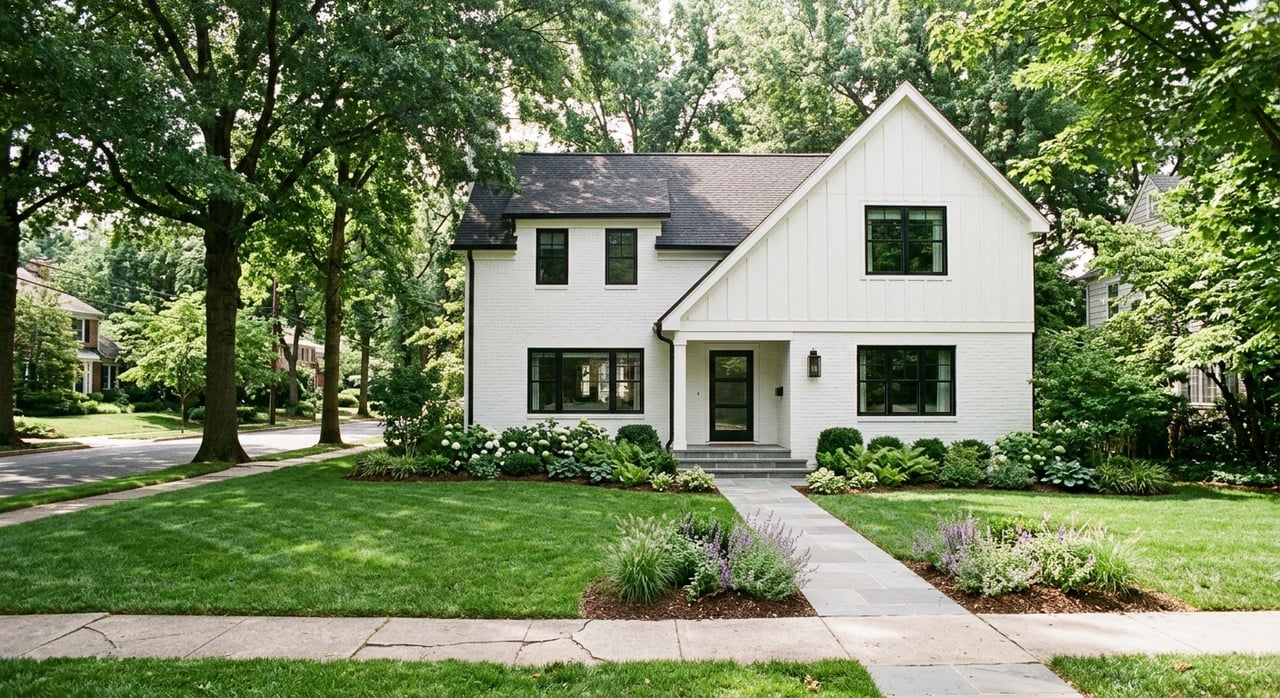
Wondering what Cedar Grove really feels like from one part of town to the next? If you are comparing Essex County suburbs, it can be hard to tell whether a town offers classic detached homes, lower-maintenance options, easy commuting, or meaningful access to parks. This guide breaks down Cedar Grove’s home styles, price ranges, and neighborhood feel so you can get a clearer sense of where you may want to focus your search. Let’s dive in.
Cedar Grove at a Glance
Cedar Grove is a small suburban township in northeastern Essex County with a primarily residential character. The township sits between the First and Second Chains of the Watchung Mountains and borders Little Falls, Montclair, Verona, and North Caldwell.
For many buyers, Cedar Grove stands out because it balances a residential setting with practical regional access. Route 23 runs through town, and Routes 3, 46, and 280 are nearby, which matters in a market where the average commute time is 34.2 minutes.
Recent ACS-based data shows about 13,475 residents, a median household income of $151,263, and a 79.0% owner-occupancy rate. That combination helps explain why Cedar Grove often appeals to buyers looking for a stable, suburban ownership market in Essex County.
Cedar Grove Home Styles
Cedar Grove’s housing stock is mostly postwar, and that shapes the town’s overall look and feel. About 60.6% of homes were built from 1940 to 1969, while 17.2% were built from 1970 to 1999, 12.4% were built in 2000 or later, and 9.9% date to 1939 or earlier.
Detached homes make up the majority of the local housing mix. Townwide, 68.53% of homes are single-family detached, 9.79% are townhomes, 13.83% are in large apartment complexes or high-rises, and 6.66% are in small apartment buildings.
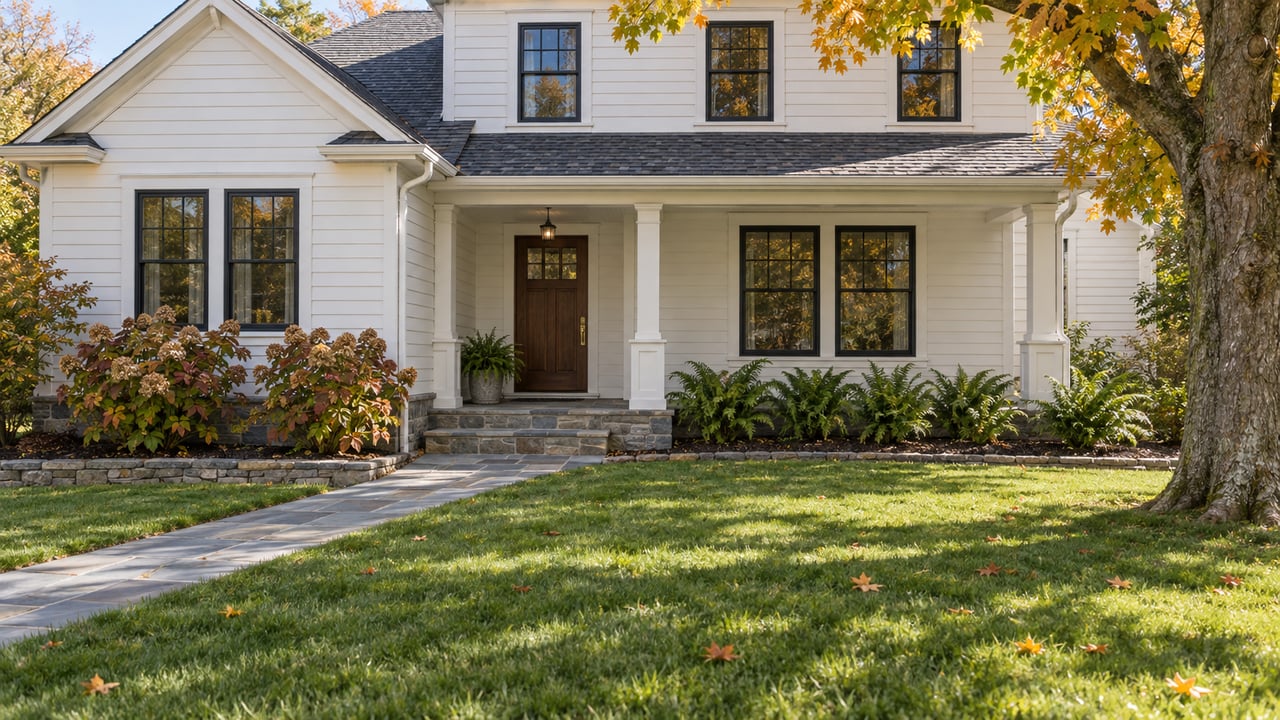
In practical terms, you will see plenty of established single-family homes on suburban streets, along with a smaller attached-home segment. That gives Cedar Grove a broader range than some buyers expect, especially if you want to compare traditional detached living with newer, lower-maintenance townhome options.
Cedar Grove Price Ranges
Current market signals place Cedar Grove in the upper-middle to higher price tiers for the area. Zillow’s Cedar Grove home value index was $760,003 as of May 31, 2026, with a median list price of $801,633 and 27 homes for sale.
Active listings showed a wide spread, with examples at $579,900, $775,000, $784,777, $799,000, and $1,399,000. Based on those signals, buyers will often see a few broad pricing bands in town.
- Upper-$500Ks to low-$700Ks: smaller, older, or more attached housing options
- Mid-$700Ks to high-$800Ks: much of Cedar Grove’s core detached-home market
- $900Ks and up: larger, newer, more private, or more amenity-rich homes
Those ranges are best used as a market snapshot, not a rule. Condition, updates, exact location, and housing type can shift pricing quickly from one pocket of town to another.
Carlson Parkway and Winding-Myrtle
Carlson Parkway and Winding-Myrtle is one of Cedar Grove’s most established residential pockets. NeighborhoodScout places the median real estate price here at $858,859.
The housing mix is made up mainly of medium-sized single-family homes and townhomes, with most properties owner-occupied. Much of the housing stock was built between 1940 and 1969, with some homes from 2000 to the present.
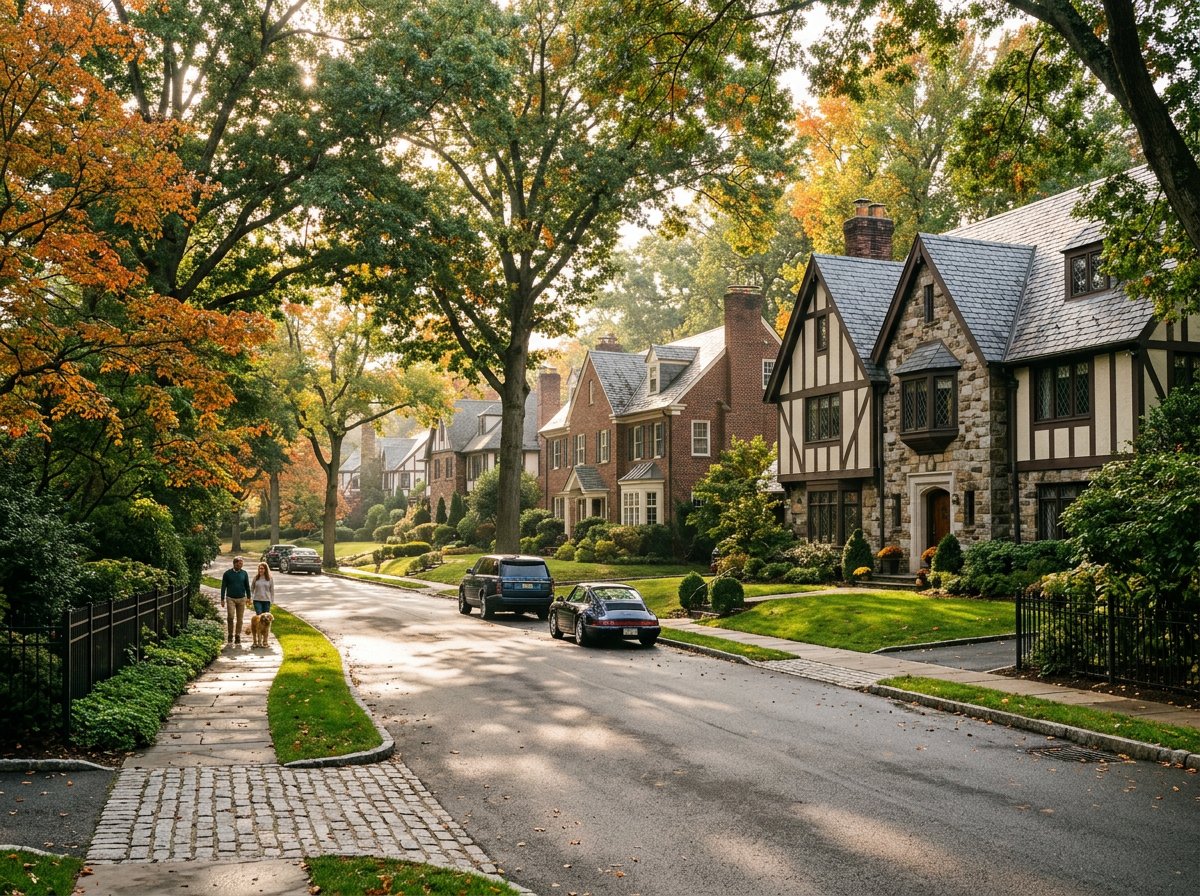
If you are looking for a classic suburban feel, this area is often one of the strongest matches. It reads as established, primarily residential, and more detached-home oriented, with limited vacancy at 3.5%.
South End and Reservoir Ridge
South End and Reservoir Ridge offers another established part of Cedar Grove, but with a somewhat more mixed housing pattern. NeighborhoodScout reports a median real estate price of $816,329 for this pocket.
You will find medium-sized single-family homes along with small apartment buildings, and the area is also mostly owner-occupied. Much of the housing dates from 1940 to 1969, with additional stock built from 1970 to 1999.
For buyers, this area can feel a bit more varied than Carlson Parkway and Winding-Myrtle. It still feels suburban, but it may appeal more if you are open to older housing stock and want to consider a broader mix of home types in a tight-inventory area.
Pompton Avenue, Fairview, and Hilltop
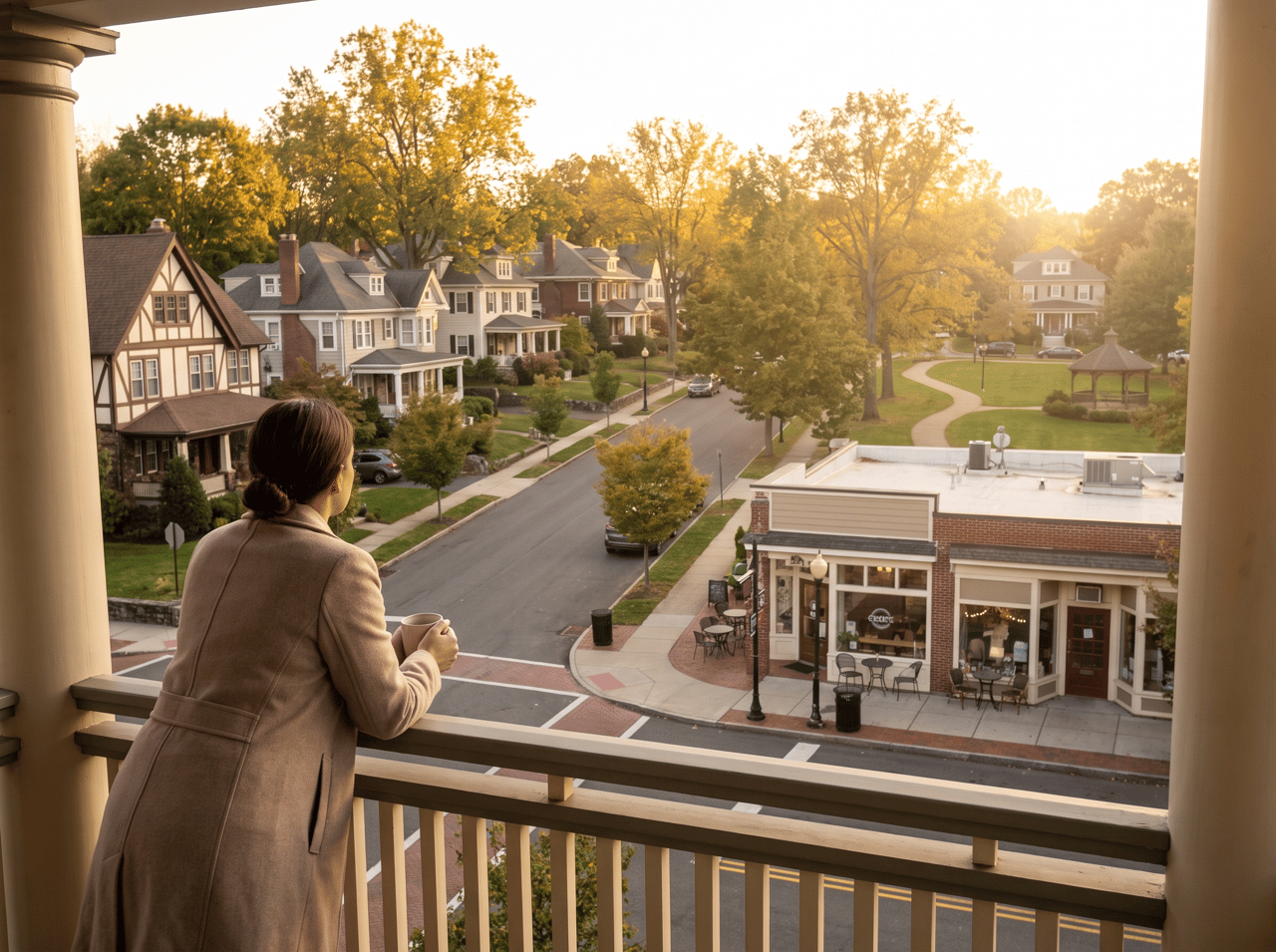
The central Pompton Avenue corridor plays a different role in Cedar Grove. According to the township’s master plan, the central part of town contains the business district and serves as the main pedestrian-oriented business area.
That makes this general section of town especially practical if you want closer access to daily services and bus routes. NJ Transit shows Cedar Grove on routes including the 195 Willowbrook to Cedar Grove to New York, the 191 Willowbrook to Montclair to New York, and the 11 Newark to Willowbrook, with stops on Pompton Avenue and nearby intersections.
The Hilltop area is also where Cedar Grove’s newer attached-housing story becomes more visible. Hilltop at Cedar Grove includes 3- and 4-bedroom townhomes with private outdoor spaces, floor plans up to 3,407 square feet, and amenities such as a clubhouse, outdoor pool, fitness center, and barbecue pavilion.
If you want newer construction and lower-maintenance living, this is one of the clearest areas to study first. It offers a different feel from Cedar Grove’s postwar detached-home neighborhoods, especially for buyers who value amenities and convenience.
Lot Patterns and Streetscape Feel
Cedar Grove does not appear to have one uniform lot pattern across town. Instead, the lot feel tends to shift with the housing type and location.
In the newer attached-home areas near Hilltop, lots tend to feel more compact by design. In the older detached-home neighborhoods, you are more likely to find mid-sized suburban lots that fit the town’s postwar development pattern.
Some of the more premium hillside or estate-style sections may also feel more private. That variation is part of what makes Cedar Grove worth exploring in person, especially if you care as much about block feel as square footage.
Parks Shape Neighborhood Feel
One of Cedar Grove’s biggest lifestyle strengths is its access to open space. Mills Reservation, a 157.15-acre Essex County park shared with Montclair, offers trails and a scenic overlook toward New York City.
The township’s environmental inventory also identifies Hilltop Reservation as a major open-space asset. In addition, Cedar Grove Community Park is a 77-acre park off Fairview Avenue with two miles of walking paths, bocce courts, a playground, and a 15,000-square-foot community center.
For buyers, park access can meaningfully change how a location feels day to day. Areas near Fairview Avenue benefit from easier access to Community Park, while homes closer to Reservoir Drive and Normal Avenue are nearer to Mills Reservation.
Who Cedar Grove Often Fits Best
Cedar Grove can work well for several types of buyers, but the town often stands out most for people looking for a suburban setting with strong ownership patterns, established housing stock, and practical commuting routes. It offers a mix of classic detached homes, a smaller attached-home segment, and a strong open-space presence.
If you want a more established detached-home environment, Carlson Parkway and Winding-Myrtle may rise to the top. If you are comfortable with older housing and a somewhat more mixed neighborhood pattern, South End and Reservoir Ridge may be worth a closer look.
If your priorities include lower-maintenance living, newer construction, and easier access to daily services and bus routes, the Pompton Avenue, Fairview, and Hilltop area may be the best fit. The key is matching your goals to the part of town that supports them best.
If you are thinking about buying or selling in Cedar Grove, the team at Orsini Real Estate & Marketing Group can help you compare neighborhoods, understand current pricing, and make a confident move in the Essex County market.
FAQs
What types of homes are most common in Cedar Grove, NJ?
- Cedar Grove is dominated by single-family detached homes, which make up 68.53% of the housing mix, along with a smaller share of townhomes, small apartment buildings, and larger apartment properties.
What is the general price range for homes in Cedar Grove, NJ?
- Current market signals suggest roughly upper-$500Ks to low-$700Ks for smaller or more attached options, mid-$700Ks to high-$800Ks for many detached homes, and $900Ks and up for larger or newer homes.
Which part of Cedar Grove feels most like a classic suburb?
- Carlson Parkway and Winding-Myrtle is often the best match for buyers seeking an established, primarily residential area with mostly detached homes and a strong suburban feel.
Where can you find newer townhomes in Cedar Grove, NJ?
- The Hilltop area is one of the clearest places to find newer townhome-style housing, including homes with private outdoor space and community amenities.
Is Cedar Grove, NJ convenient for commuting?
- Cedar Grove offers access to Route 23 and nearby Routes 3, 46, and 280, and NJ Transit bus service runs through town, especially along the Pompton Avenue corridor.
How do parks affect neighborhood feel in Cedar Grove?
- Parks and open space are a major part of Cedar Grove’s appeal, with locations near Fairview Avenue, Reservoir Drive, and the hilltop areas offering different kinds of access to Community Park, Mills Reservation, and Hilltop Reservation.