Looking for a home in Livingston but not sure which streets fit your lifestyle? You have plenty of options, from near-downtown convenience to larger-lot privacy near parks. This guide breaks down the major neighborhood styles so you can focus your search with confidence. You will learn how housing types, commute options, and amenities shift across town. Let’s dive in.
Why Livingston, NJ works for buyers
Livingston Township spans about 14 square miles with a population around 31,000 and roughly 10,700 housing units. Townwide, the median owner-occupied home value sits in the low to mid $800,000s, based on ACS estimates. The average commute runs about 37 to 38 minutes. You can review these baselines in the township’s ACS profile on CensusReporter for context on value and travel time trends. See the ACS profile for Livingston.
The town’s major civic anchors include a robust parks system and Cooperman Barnabas Medical Center on Old Short Hills Road, a significant regional hospital. Learn more about Cooperman Barnabas Medical Center.
A quick note on transit: Livingston has no in-town rail station. Most commuters drive, take NJ Transit buses, or use shuttles to nearby stations.
The 5 neighborhood styles
1) Town Center streets for walkable errands
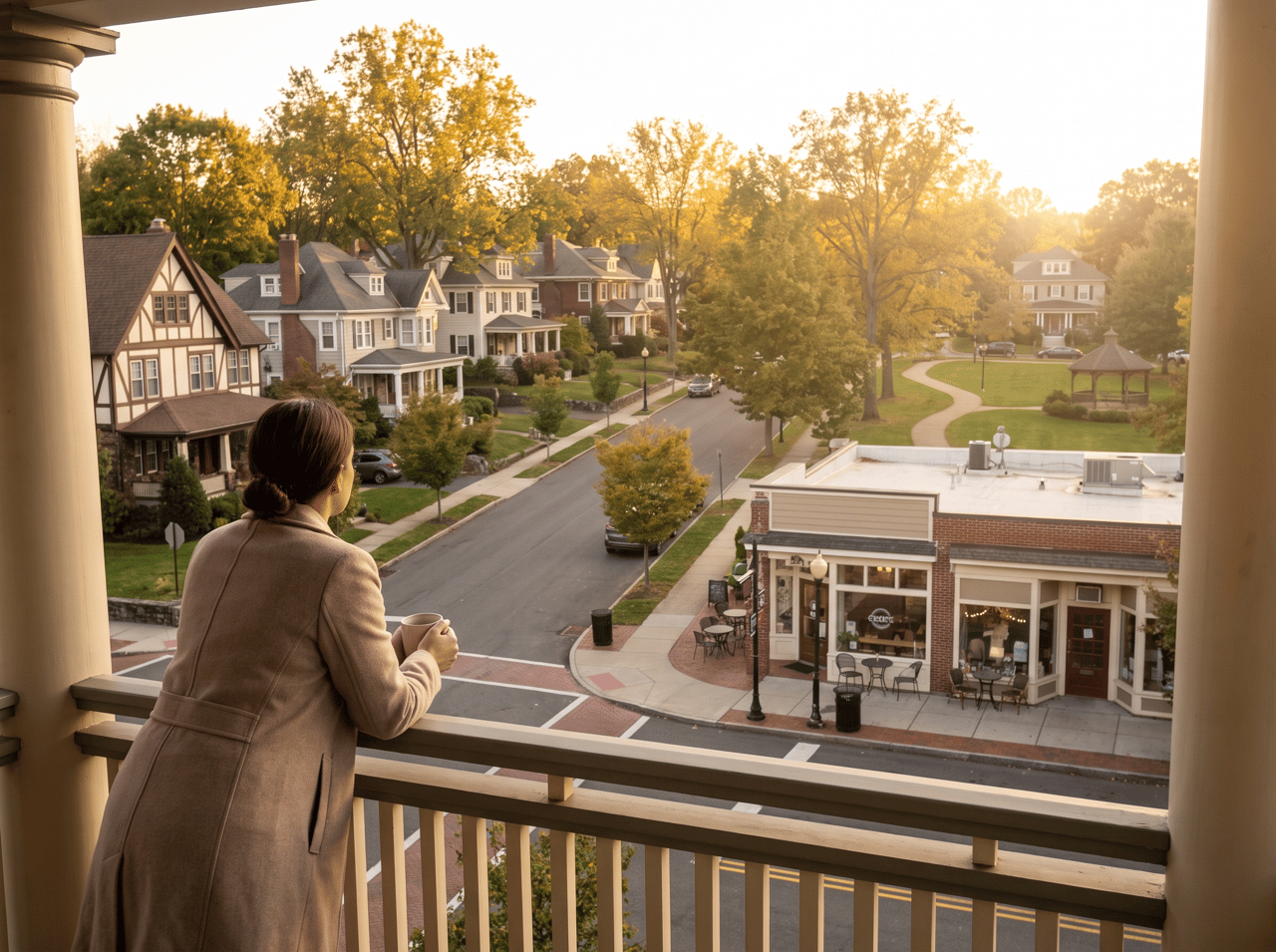
This is the South Livingston Avenue corridor and the mixed-use Livingston Town Center area. If you want short drives for groceries, coffee, and community events, start here.
- Housing: Mid-20th-century colonials and Cape Cods on smaller lots, with townhomes and low-rise condos near the commercial core.
- Commute and access: Close to local bus stops and municipal services like Town Hall. Great for quick trips and daily convenience.
- Map focus: South Livingston Avenue between Route 10 and Northfield Avenue, plus the Livingston Town Center complex.
2) Quiet cul-de-sacs and interior blocks
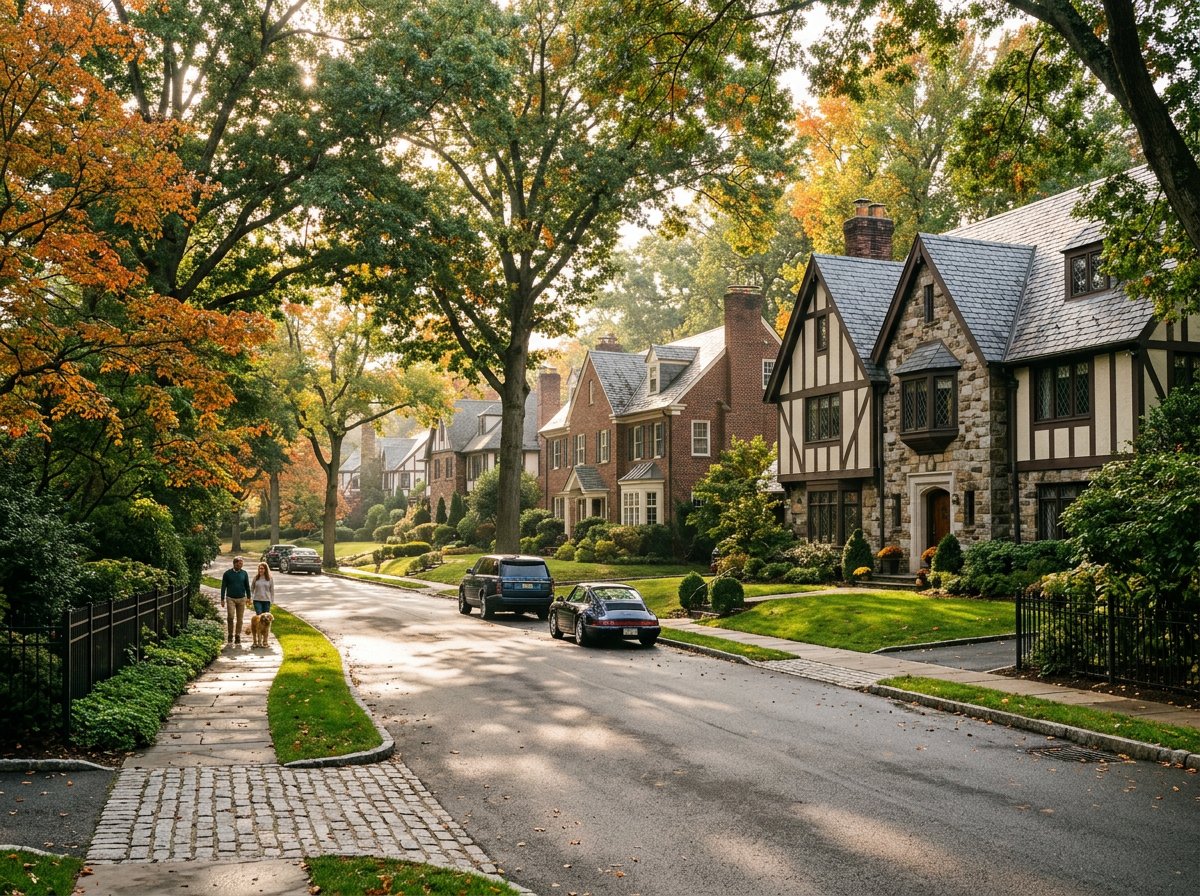
Most of Livingston is classic postwar suburbia with tree-lined streets and cul-de-sacs. These areas offer a calm setting and a strong neighborhood feel.
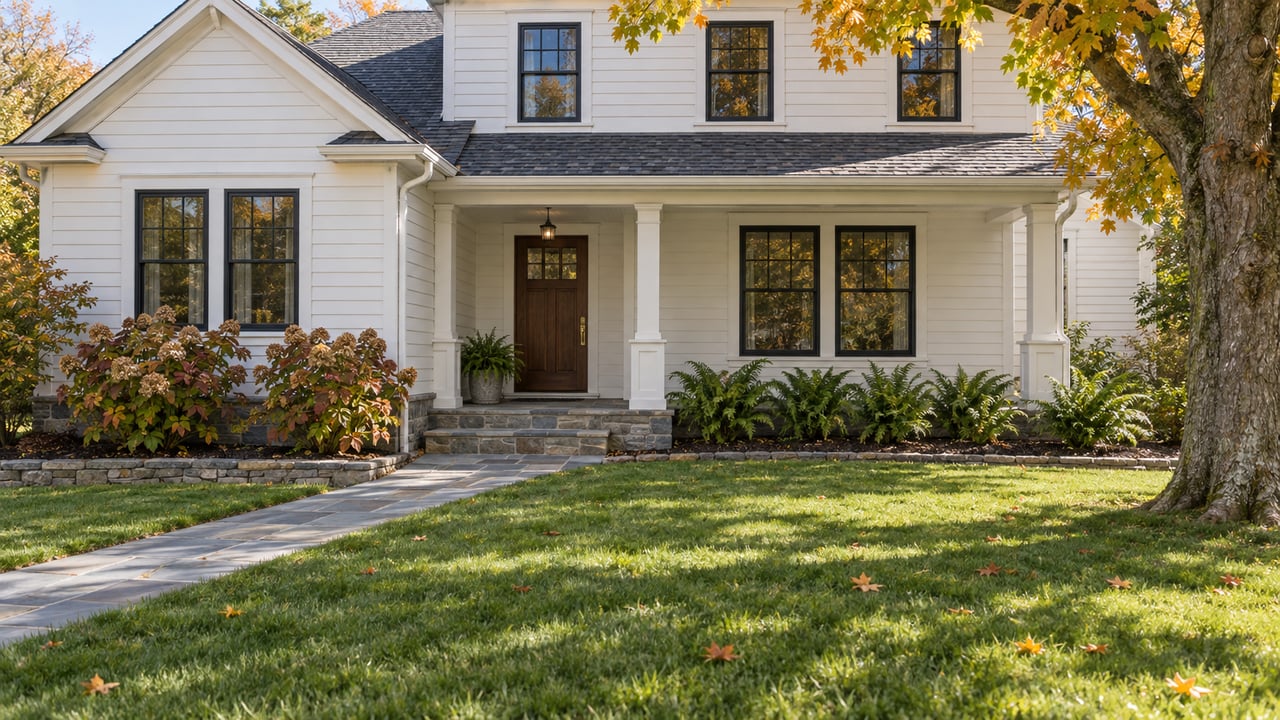
- Housing: Split-levels, ranches, and center-hall colonials from the 1950s–1970s, many expanded or rebuilt in recent years. Typical lots range from about one-quarter to one-half acre, depending on the street.
- Commute and access: Primarily car-oriented, with quick access to schools, parks, and township recreation. You trade a few more minutes of driving for quieter streets and larger yards.
- Map focus: Interior streets around school complexes such as Hillside, Collins, and Burnet Hill. Use the township’s sections-by-street tool to verify street-by-street details and service zones. Check the Sections/Zones by Street list.
3) Larger-lot privacy near Riker Hill
If you value more land and a sense of separation, the larger-lot pockets near Riker Hill and Becker Park are a strong match.
- Housing: Estate-style colonials and custom homes on bigger parcels with mature landscaping.
- Commute and access: Quiet and close to open space, with convenient access to western corridors into Morris County.
- Map focus: Western and northwestern sections near the Riker Hill Art Park and Becker Park complex. Explore the Riker Hill complex.
4) Near major retail and highways
The Route 10 and Eisenhower Parkway corridors cluster big-box shopping, services, and the Livingston Mall site. Expect the most immediate access to shops and highways here.
- Housing: Commercial frontage along the corridors, with adjacent pockets of single-family homes and several townhome or condo communities.
- Commute and access: Fastest highway access for drivers using Routes 10 and 24, I-280, and I-287. Traffic levels tend to be higher than on interior cul-de-sacs.
- Planning note: The Livingston Mall property is undergoing township-led community visioning and long-range planning. Buyers considering adjacent streets should follow the evolving plan.
5) Transit-adjacent, shuttle, and station-drive pockets
Without a local rail station, commuters typically combine car, bus, and shuttle options.
- Housing: A mix of attached and single-family homes near core shuttle and bus pickup points. Central and southern parts of town can put you closer to key commuter routes.
- Commute and access: NJ Transit buses serve Livingston, including Routes 70 and 73. Check live NJ Transit schedules for current times. See a sample NJ Transit stop ETA.
- Rail access: Many residents drive or shuttle to nearby Morris & Essex Line stations, including South Orange and Short Hills, for Midtown Direct and Newark service. View the South Orange overview.
Commute guide for Livingston buyers
If you rely on transit, plan your route before you shop so you can focus on homes that align with your daily needs.
- Driving: Quick access to I-280, Route 10, Route 24, and I-287 makes driving the dominant option for many. Homes near Route 10 and Eisenhower Parkway typically shorten highway hops.
- Buses and shuttles: NJ Transit local and express buses serve Livingston. Shuttles connect riders to nearby train stations during peak periods. Timetables change, so check live schedules before you tour.
- Drive-to-rail: Common choices are South Orange and Short Hills for Midtown Direct service. Factor in both the drive and the rail time when you evaluate a location.
- Townwide benchmark: The ACS mean commute time is about 37 to 38 minutes. Use it as a reference point when weighing your options.
Schools, parks, and shopping by area
Schools: Livingston Public Schools operates several elementary schools, two middle schools, and Livingston High School. Attendance zones can change, so confirm current boundaries with official district materials if a specific school assignment matters to you. Review the Livingston Public Schools overview.
Parks and recreation: The Riker Hill complex provides open space and artist studios near the western edge of town. Nearby, South Mountain Reservation and the Turtle Back Zoo in West Orange are major regional draws. See the Riker Hill complex and explore the Turtle Back Zoo.
Shopping and daily needs: Livingston Town Center serves as a local hub for dining and errands. The Route 10 corridor offers larger-format retail and services. The Livingston Mall site is in a multiyear planning process, which can influence nearby traffic patterns and future uses.
How to choose your best fit
Use these quick steps to narrow your search:
- Define your commute. Decide whether you need walkable bus stops, quick highway access, or easy drives to South Orange or Short Hills.
- Prioritize lot size and privacy. If larger lots top your list, focus near Riker Hill and western edge pockets.
- Decide on walkability. If you value short trips for coffee or groceries, explore South Livingston Avenue and the Town Center area.
- Confirm school details. If a specific school assignment matters, verify current attendance zones directly with the district.
- Track local planning. If you are considering homes near the mall corridor, follow township updates so you stay ahead of changes.
- Verify street specifics. For curb patterns and services, use the township’s sections-by-street resource. Check Sections/Zones by Street.
What to watch: Livingston Mall planning
The Livingston Mall property is a single, large site with an active township visioning process. Over time, redevelopment can shift traffic patterns, add or change housing types, and influence nearby retail. If you are comparing streets close to the site, monitor public updates and meeting summaries on the township’s project page so you can factor timing and potential impacts into your decision. Follow the 2025 Mall Community Visioning project.
Ready to explore Livingston with a local guide who understands these micro-markets? Reach out to the team at Orsini Real Estate & Marketing Group for on-the-ground insight, private tours, and a clear plan to secure the right home.
FAQs
What are the main neighborhood styles in Livingston?
- You will find five broad styles: Town Center streets, quiet interior cul-de-sacs, larger-lot pockets near Riker Hill, areas close to Route 10 retail and highways, and transit-focused pockets that ease bus and shuttle access.
Does Livingston have a train station for NYC commutes?
- No. Most commuters drive, take NJ Transit buses, or use shuttles to nearby Morris & Essex Line rail stations such as South Orange and Short Hills.
Where are the largest lots in Livingston?
- Look to the western and northwestern sections near Riker Hill and Becker Park, which include many estate-scale parcels and custom homes.
Which areas feel most walkable for errands?
- South Livingston Avenue and the Livingston Town Center area offer the town’s most concentrated mix of shops, dining, and services within a compact corridor.
What is happening with the Livingston Mall site?
- The site is in a township-led visioning and planning process; expect a multiyear timeline with potential changes to traffic patterns, land uses, and the local retail mix.
How are public schools organized in Livingston?
- The district has multiple elementary schools, two middle schools, and Livingston High School; always verify current attendance zones with official district materials if a specific assignment matters to you.
What is the typical home value baseline in town?
- ACS data shows the median owner-occupied home value in the low to mid $800,000s, with many single-family sales trading higher depending on location and condition.