Thinking about trading your NYC walk-up for a Montclair front porch? You are not alone. Many New Yorkers look here for more space, a lively downtown, and a manageable commute. In this guide, you will learn how Montclair feels day to day, what housing looks like, how the commute works, and how it stacks up against nearby Essex County towns so you can decide if it fits your move. Let’s dive in.
What Montclair feels like
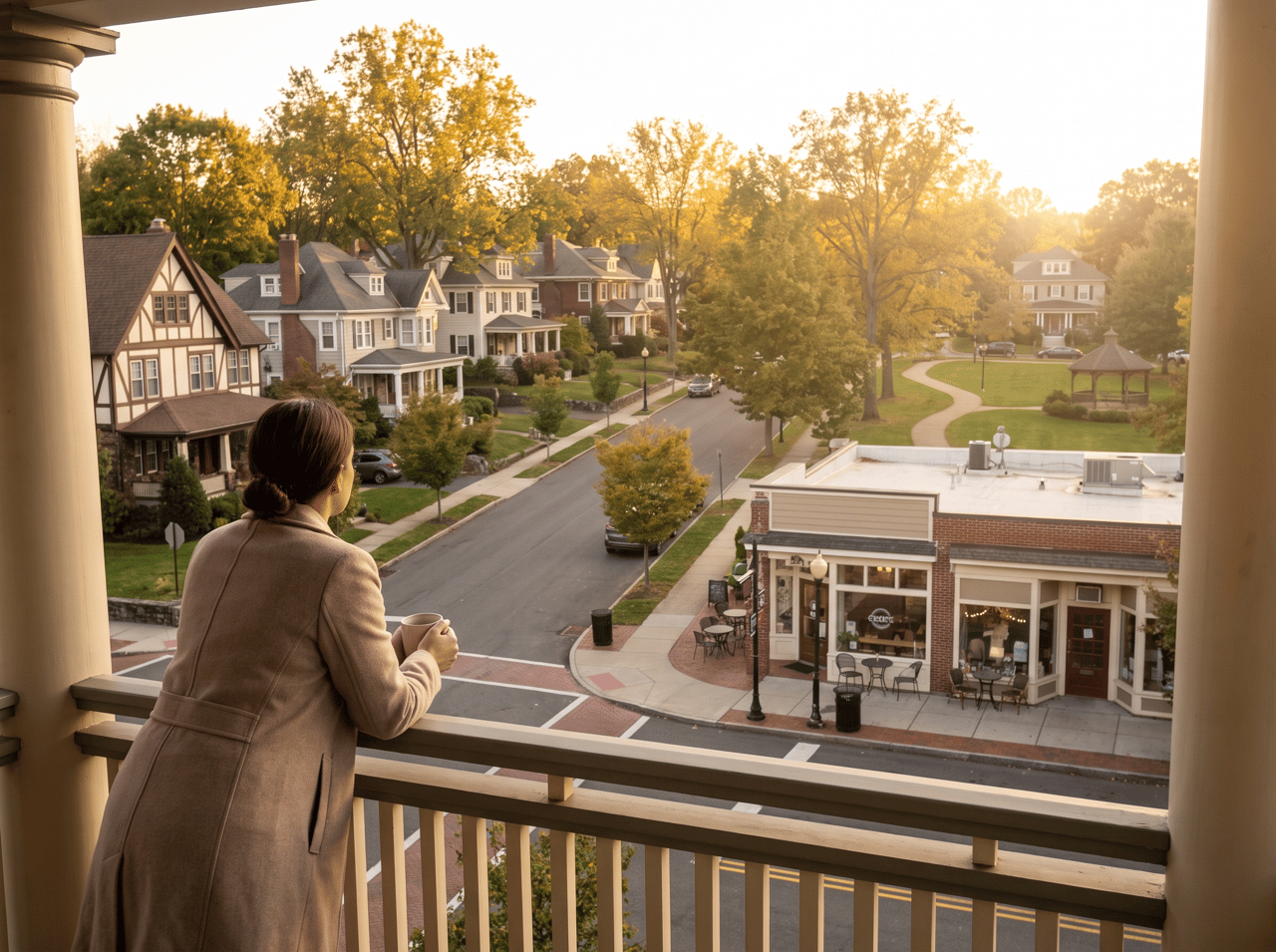
Montclair blends a village-center vibe with a suburban street grid. You will find independent shops, cafes, and restaurants clustered in Montclair Center and in nodes like Upper Montclair and Watchung Plaza. Residential streets feature mature trees and a wide mix of home styles.
If you enjoy the arts, you will have plenty to do. The town is home to the Montclair Art Museum, year-round programming from Montclair Art Museum, and Montclair Film including its well-known film festival. Live performances at venues like the Wellmont Theater and events at Montclair State University add to the calendar.
Green space is close by for everyday downtime. Neighborhood parks dot the township, and larger Essex County reservations sit within a short drive. The result is a town that feels active and convenient without giving up room to breathe.
Housing options and price bands
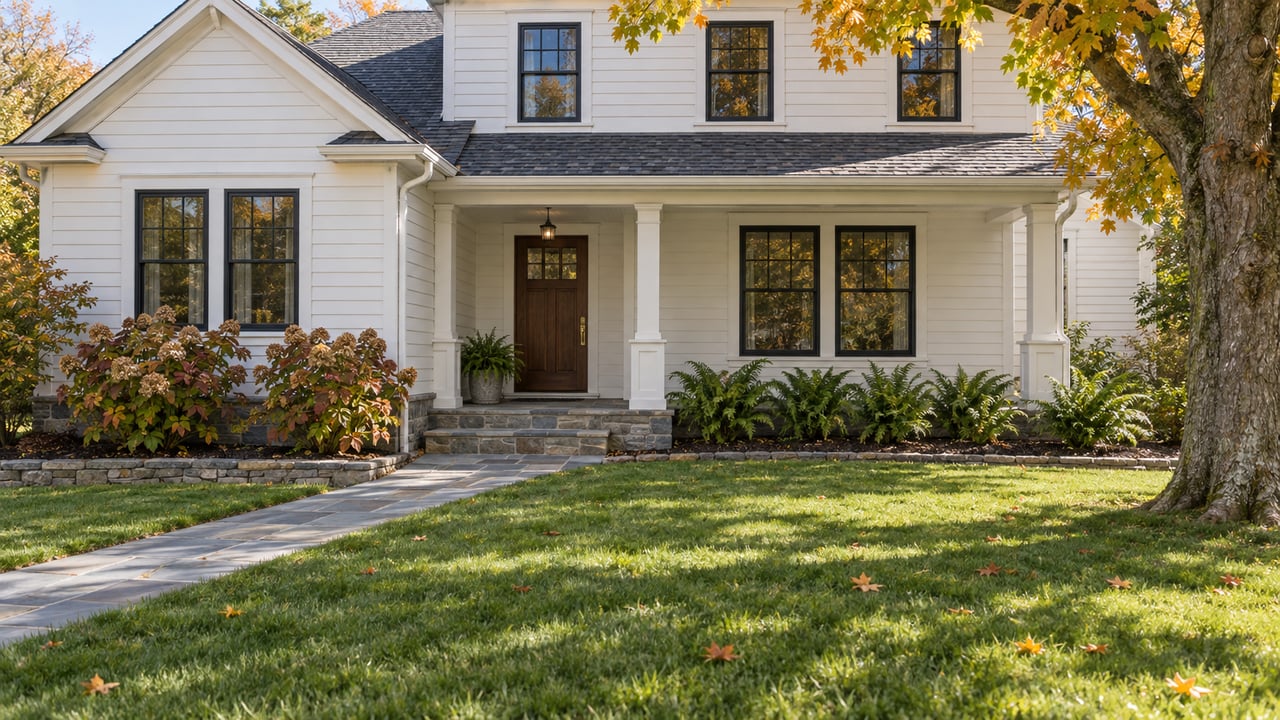
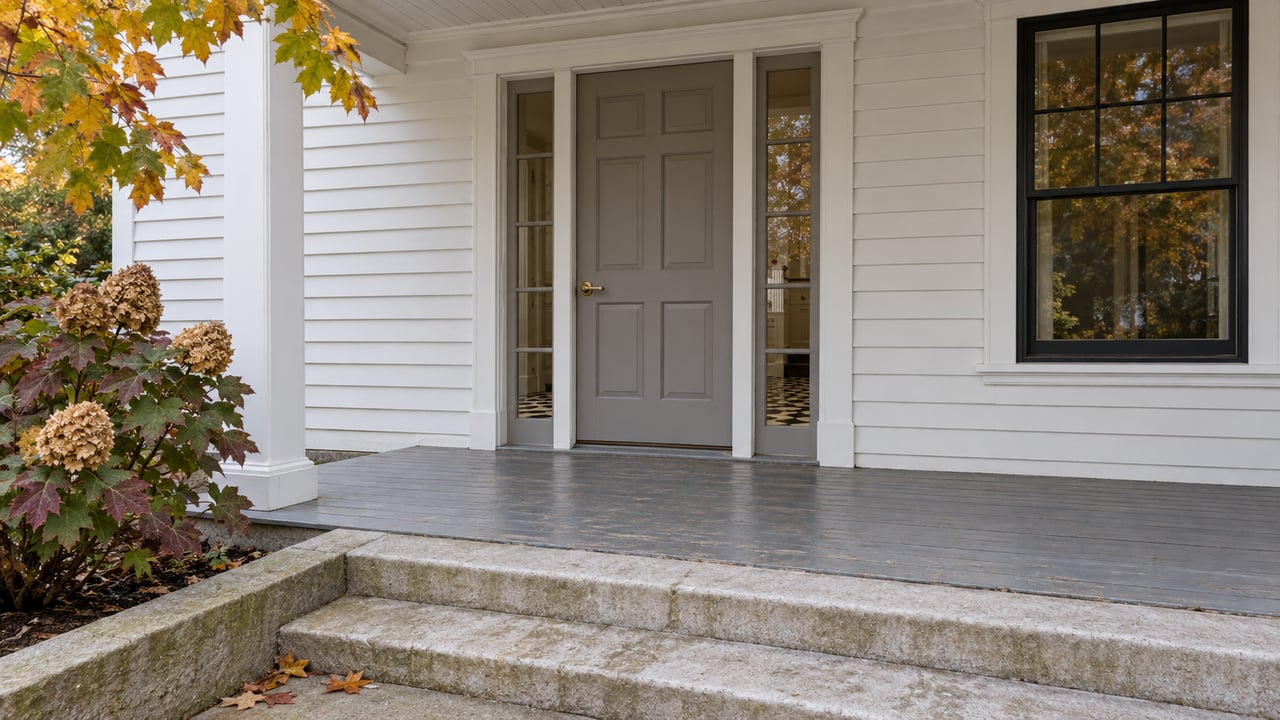
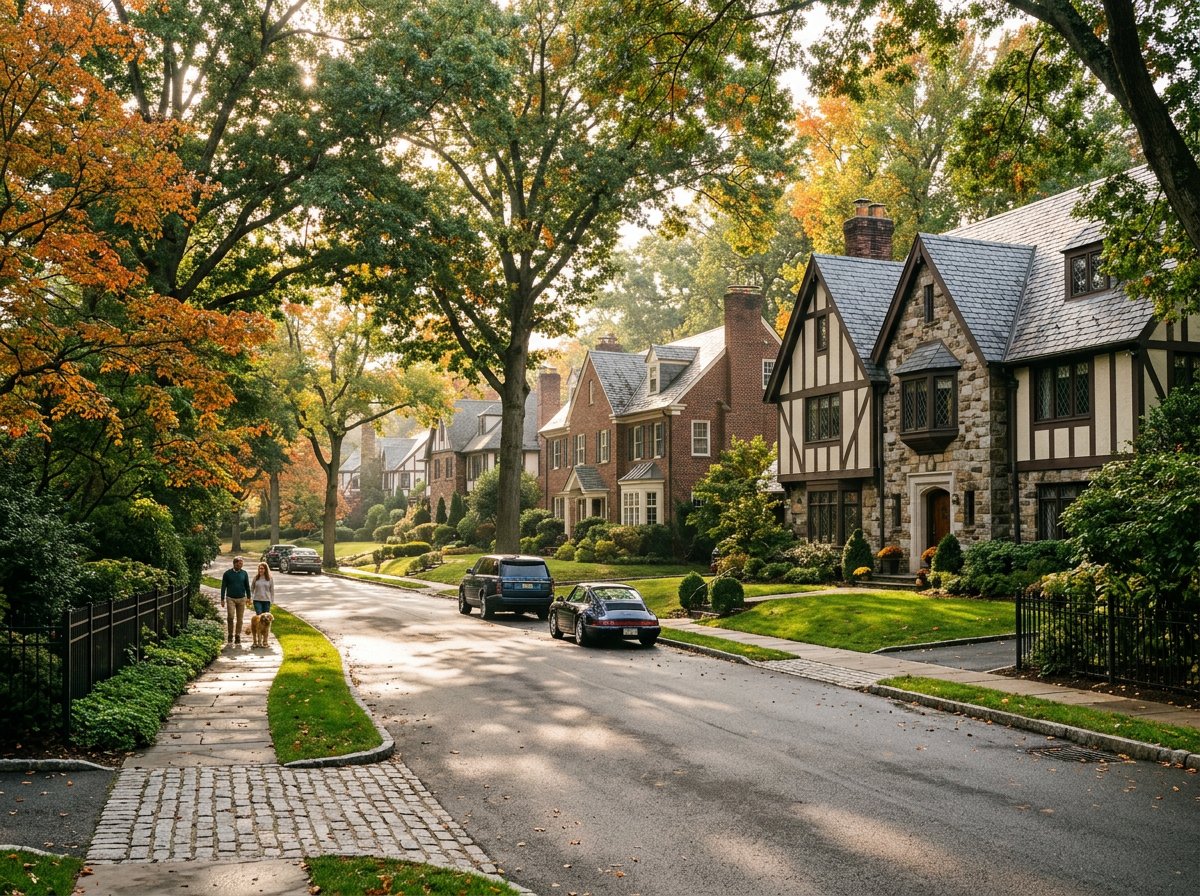
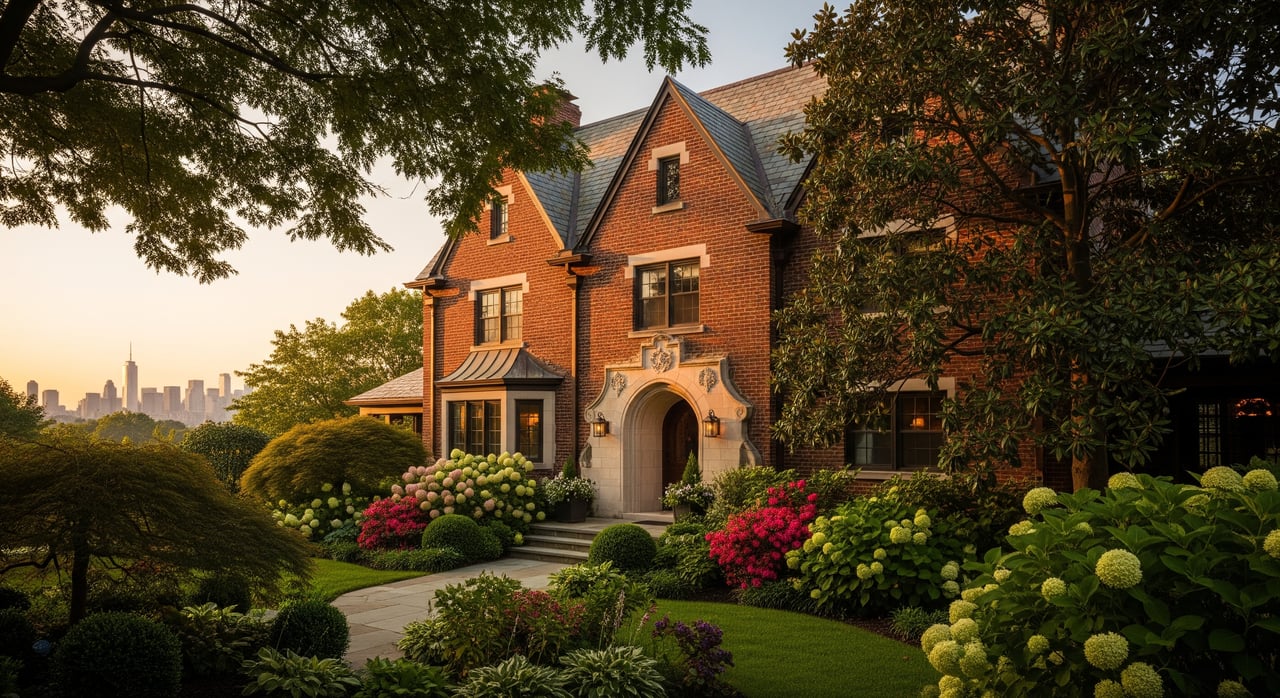
Montclair’s housing stock is diverse. You will see historic Victorians and Colonials, Tudors, Craftsman bungalows, some mid-century homes, and newer condo and townhouse buildings. Areas near the downtowns and train stations skew toward condos and apartments, while streets farther out offer larger lots and detached single-family homes.
Expect a range of price tiers. Entry-level condos and smaller 1 to 2 bedroom units often represent the lower price tier. Starter single-family homes fall into the mid-range, and larger or fully renovated historic homes are typically higher priced. Newer townhouses and modern condos vary widely based on size, finishes, and proximity to transit.
Values shift by location and features. Homes near train stations and Montclair Center often command a premium. Lot size, architectural character, condition and recent updates, off-street parking, and local zoning or historic overlays can all affect value. Because pricing changes quickly in commuter markets, pull current figures from a local MLS snapshot before you tour and verify details with your agent.
Commuting to NYC
Montclair is served by NJ Transit’s Montclair-Boonton Line with several in-town stations, including Bay Street, Walnut Street, Watchung Avenue, and Upper Montclair. Schedules offer service toward Hoboken and, depending on timing and transfers, to Midtown. Always confirm details on NJ Transit.
Typical door-to-door times vary. Many commuters report 35 to 60 minutes to Midtown depending on station and train. Trips to Hoboken or Journal Square can be shorter, roughly 20 to 40 minutes. Bus routes also serve Montclair and neighboring towns, with service into Manhattan that you can review through NJ Transit.
Driving into the city is possible but unpredictable. Crossing bridges or tunnels in peak hours can take 45 to 90 minutes or more. Many residents choose rail to avoid parking and traffic in Manhattan. If you plan to park near a station, review municipal and NJ Transit permit rules and waitlists on the Montclair Township site.
Smart commute checks
- Test your commute at your actual morning and evening hours.
- Compare station options to see if a closer station offsets a home’s price premium.
- Verify parking availability, permit requirements, and waitlists.
- Monitor schedules and advisories on NJ Transit.
Daily life: dining, parks, schools
If you like to eat out, Montclair Center concentrates restaurants, bars, and cafes, with additional options in Upper Montclair and around Watchung Plaza. Nightlife is lively in core areas and quieter in residential pockets.
Parks and trails are part of everyday life. You can enjoy neighborhood playfields and greenways, plus quick access to larger Essex County reservations for weekend hikes and biking. Recreation programs run through the township, which you can find on the Montclair Township site.
Public education is served by Montclair Public Schools, which includes elementary, middle, and a high school, along with various programs. For neutral, statewide metrics, check the New Jersey Department of Education performance reports. There are also private and parochial options in and around town. Always review school boundaries and data for the specific address you are considering.
Taxes and cost of living
New Jersey property taxes run higher than the national average. Montclair’s tax bills can be higher than the state average due to local budgets and property values. Before you make an offer, review the actual tax history for the property and visit the New Jersey Division of Taxation for statewide tax information.
Budget for commuting and daily costs too. Car ownership, parking, utilities, and childcare can offset savings from leaving city rents. Run a full monthly comparison so you know your true net cost of moving.
How Montclair compares nearby
Choosing between Essex County towns often comes down to commute, walkability, and housing style. Here are quick takeaways to help you focus your search:
- Maplewood and South Orange: Similar village centers with strong community and arts. Both offer Midtown Direct service on the Morris and Essex Line, which can make commute times competitive for Midtown riders. Overall feel can be slightly smaller or quieter by block compared with Montclair’s busier downtowns.
- Glen Ridge: Compact and historic with well-preserved homes. Fewer commercial amenities in town and a more intimate residential feel. Often higher price per square foot for historic properties.
- Bloomfield: More varied housing and price points, with pockets that are transit friendly and others that are more suburban. Downtown amenities are less concentrated than Montclair.
- West Orange: Larger geographic area with many suburban neighborhoods. Access to rail may require using stations in adjacent towns or buses. More options for larger lots and a wide range of price points.
If you want a bigger downtown and arts calendar, Montclair often stands out. If direct Midtown service matters most, compare schedules carefully in South Orange and Maplewood alongside Montclair’s options.
Buyer checklist before you tour
Use this quick checklist to keep your search efficient and thorough:
- Pull recent sales comps and current days-on-market with your agent.
- Review the property’s tax history and typical annual bill.
- Confirm train station options, permit rules, and parking availability; check NJ Transit and the Montclair Township site.
- Do a trial commute at your actual hours and compare door-to-door times.
- Verify school attendance zones and read the NJ Department of Education reports plus the Montclair Public Schools site for enrollment and programs.
- For older homes, ask about lead paint, knob and tube wiring, and any historic-district review for exterior changes.
- Check flood maps and insurance needs where relevant.
- For condos or co-ops, review HOA or co-op rules, reserve funds, dues, and rental policies.
Is Montclair right for your NYC exit?
If you want a lively downtown, a real arts scene, and a practical rail commute, Montclair deserves a serious look. You can find everything from starter condos to statement-making historic homes, with parks, culture, and dining all close at hand. The tradeoff is doing your homework on taxes, parking, and commute patterns so you can choose the right neighborhood and property.
When you are ready to tour, work with a Montclair-based team that knows the streets, stations, and micro-markets block by block. As an award-winning, high-volume team rooted in Essex County, we will help you compare neighborhoods, set a strategy, and negotiate with confidence. Connect with Orsini Real Estate & Marketing Group to get a local game plan that fits your move.
FAQs
How long is the NYC commute from Montclair?
- Many commuters report 35 to 60 minutes door to door to Midtown depending on station, train, and transfers, with some trips to Hoboken in the 20 to 40 minute range. Confirm schedules on NJ Transit.
Does Montclair have walkable downtown areas?
- Yes. Montclair Center and nodes like Upper Montclair and Watchung Plaza offer clustered shopping and dining, with residential streets nearby for easy access.
What types of homes will I find in Montclair?
- You will see historic Victorians and Colonials, Tudors, Craftsman bungalows, some mid-century homes, plus newer condos and townhouses, with more condos near stations and more single-family homes farther out.
How should I evaluate property taxes in Montclair?
- Review the specific property’s tax history and compare across neighborhoods, then use the New Jersey Division of Taxation for statewide context and budgeting guidance.
How do schools work in Montclair?
- Montclair Public Schools serves the township with K-12 options and programs; for neutral performance data, consult the NJ Department of Education reports. Always verify attendance zones for the address you are considering.
How does Montclair compare to Maplewood and South Orange for commuters?
- Maplewood and South Orange offer Midtown Direct service on the Morris and Essex Line that can be competitive for Midtown riders, while Montclair’s Montclair-Boonton Line offers service to Hoboken and connections to Midtown; compare actual schedules for your hours on NJ Transit.