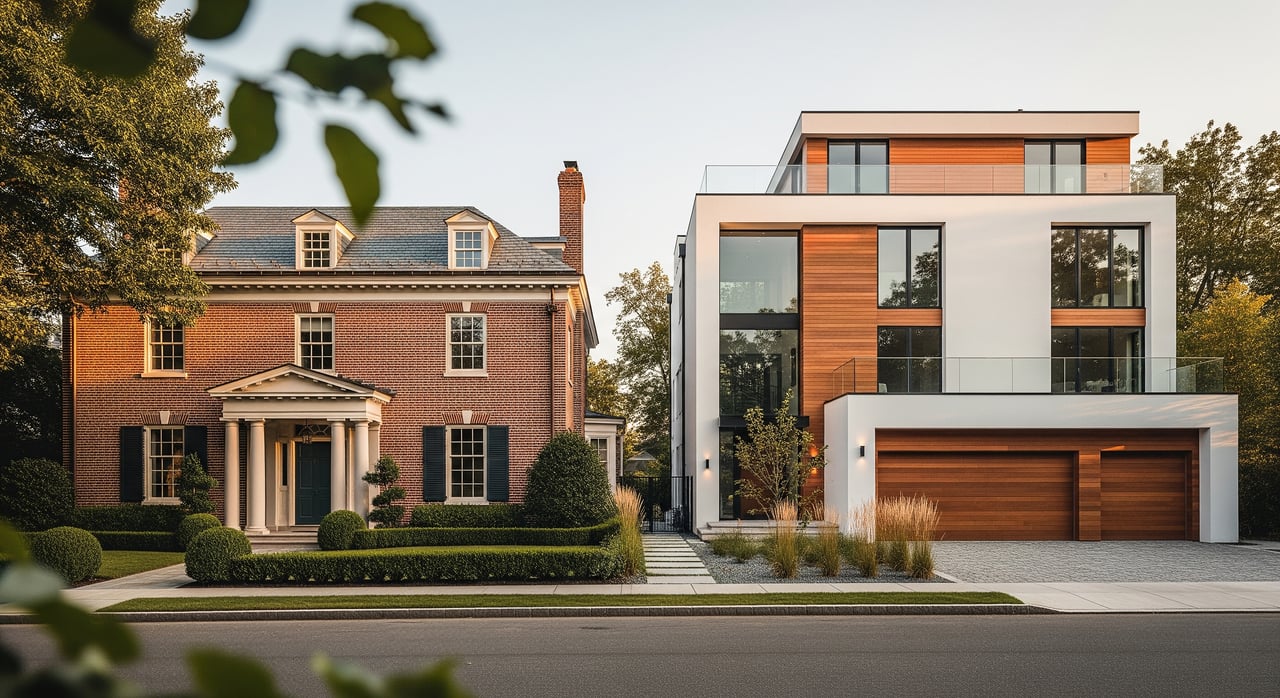
Torn between the clean lines of a brand-new build and the charm of a classic home in Livingston or nearby Essex County? You are not alone. Many local buyers love modern layouts and lower upkeep, yet feel pulled toward tree-lined streets and original details. In this guide, you will see clear pros and cons for both paths, plus what to inspect, how to plan costs, and what affects resale in our area. Let’s dive in.
How Livingston and Essex differ
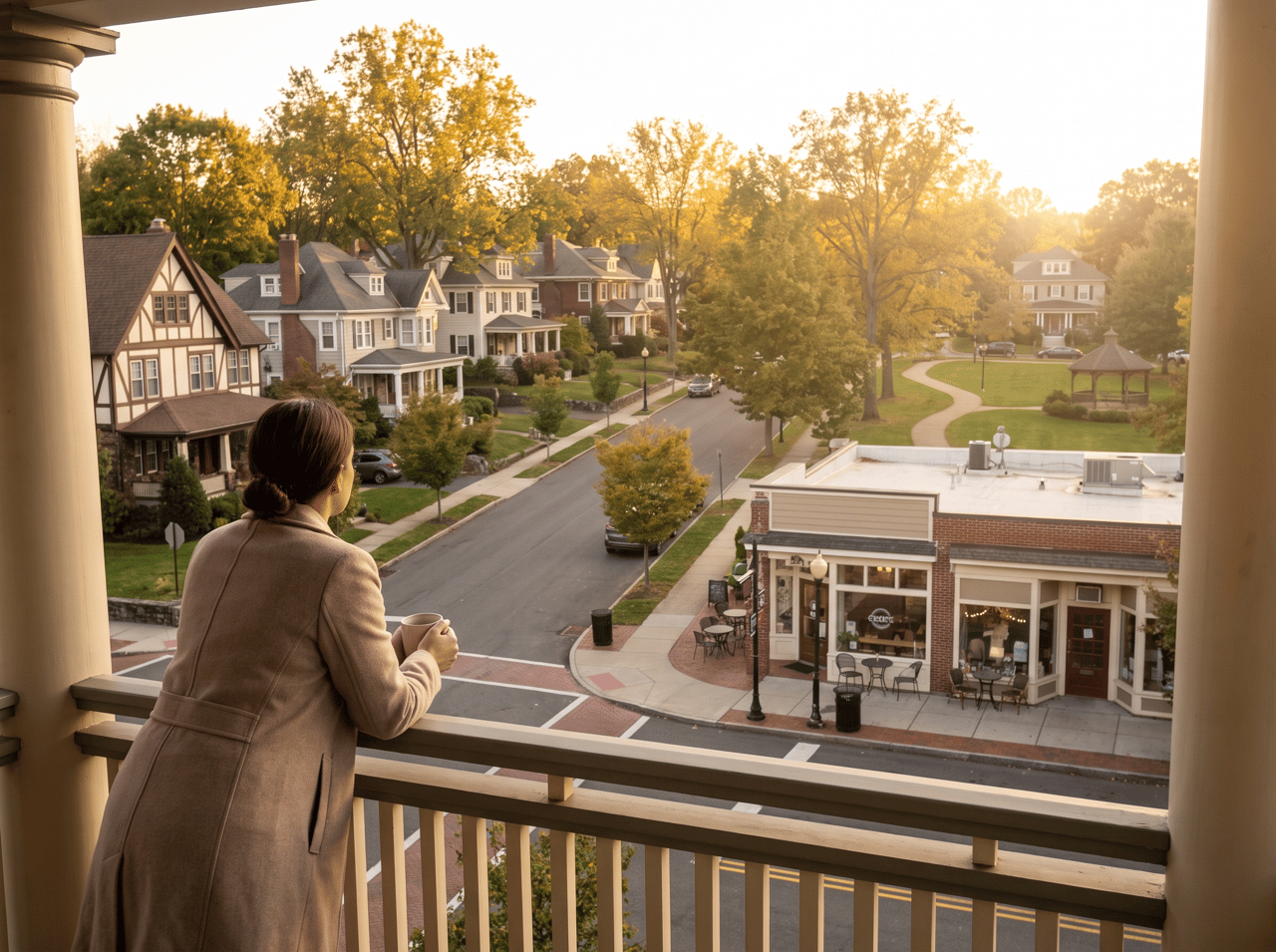
Livingston offers a suburban feel with mostly single-family homes, yard space, and a strong public school reputation that often drives demand. You will also find convenient NYC commute options and neighborhoods where space and updated finishes matter to buyers. For a neutral snapshot of the district’s profile, review the Livingston Township Public Schools overview on Niche.
Essex County as a whole includes a wider range of housing types. In Newark and older Essex neighborhoods, you may see historic rowhouses and brownstones close to transit. Buyer priorities can shift between these areas. In Livingston, buyers often focus on lot size, schools, and modern amenities. In Newark and nearby urban pockets, many shoppers prioritize location, character, and transit access.
New construction: what you gain
Build quality and code compliance
New homes must meet New Jersey’s Uniform Construction Code standards. That means modern framing practices, structural connections, and safety systems checked by municipal inspections. Before closing, verify final permits and the certificate of occupancy. You can learn more from the state’s code authority at the NJ Department of Community Affairs.
Modern layouts and warranties
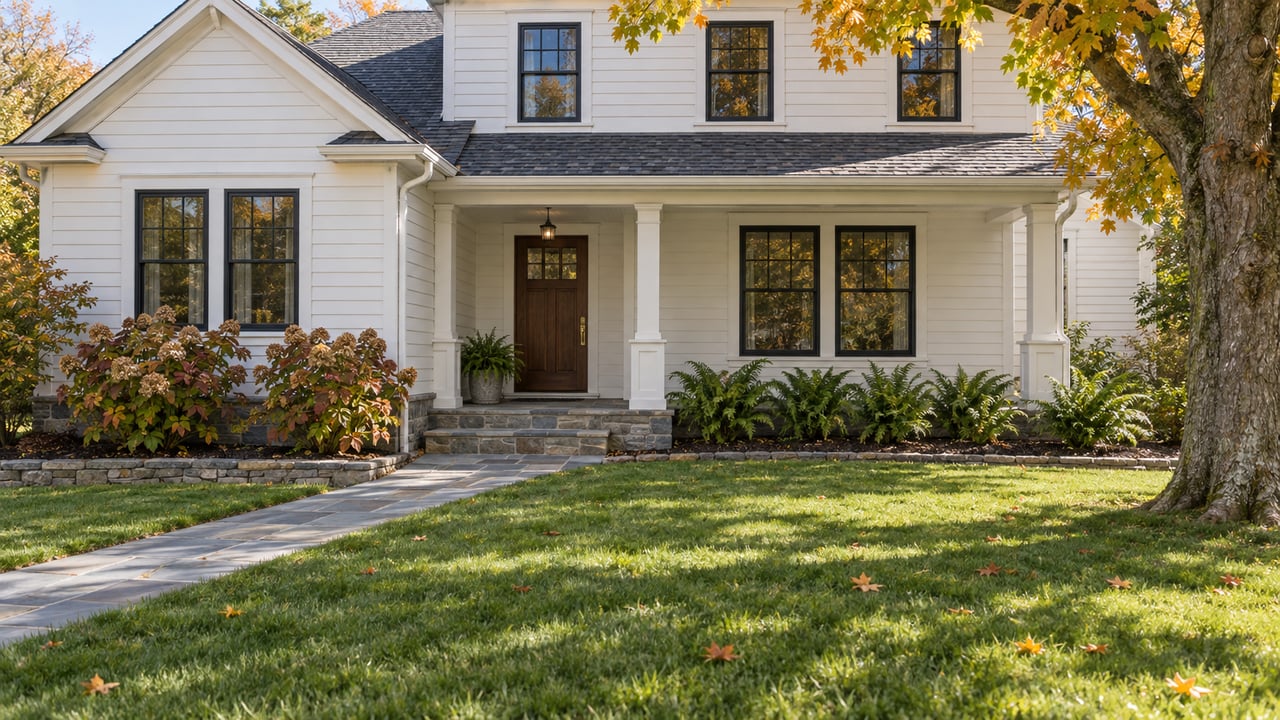
Most new builds offer open floor plans, larger kitchens, ample storage, and en-suite primary suites that fit how many families live today. Builders often provide warranties for structure, systems, and finishes. Coverage varies by builder and contract, so ask for the full warranty document and any third-party certifications.
Energy performance and incentives
New construction usually has better insulation, air sealing, windows, and high-efficiency systems. That often translates to lower monthly heating and cooling costs and steadier comfort. To compare features, look for ENERGY STAR-labeled equipment and building practices. Explore homeowner resources on ENERGY STAR and the U.S. Department of Energy’s Energy Saver site. If you are considering heat pumps or other efficient upgrades, review available programs through NJ Clean Energy.
What to inspect on a new build
Even brand-new homes need careful checks. Focus on:
- Code compliance and final permits, plus the certificate of occupancy.
- Window and siding flashing, roof-to-wall transitions, and garage connections to prevent water intrusion.
- Lot grading and stormwater handling to push water away from the foundation.
- HVAC commissioning, ventilation, thermostat calibration, and water heater installation quality.
- Insulation levels and air sealing. Confirm what was installed and ask for any blower-door results if available.
- Punch-list of finishes that need touchups. Cosmetic issues can point to workmanship quality.
Historic and older homes: why buyers love them
Character and established locations
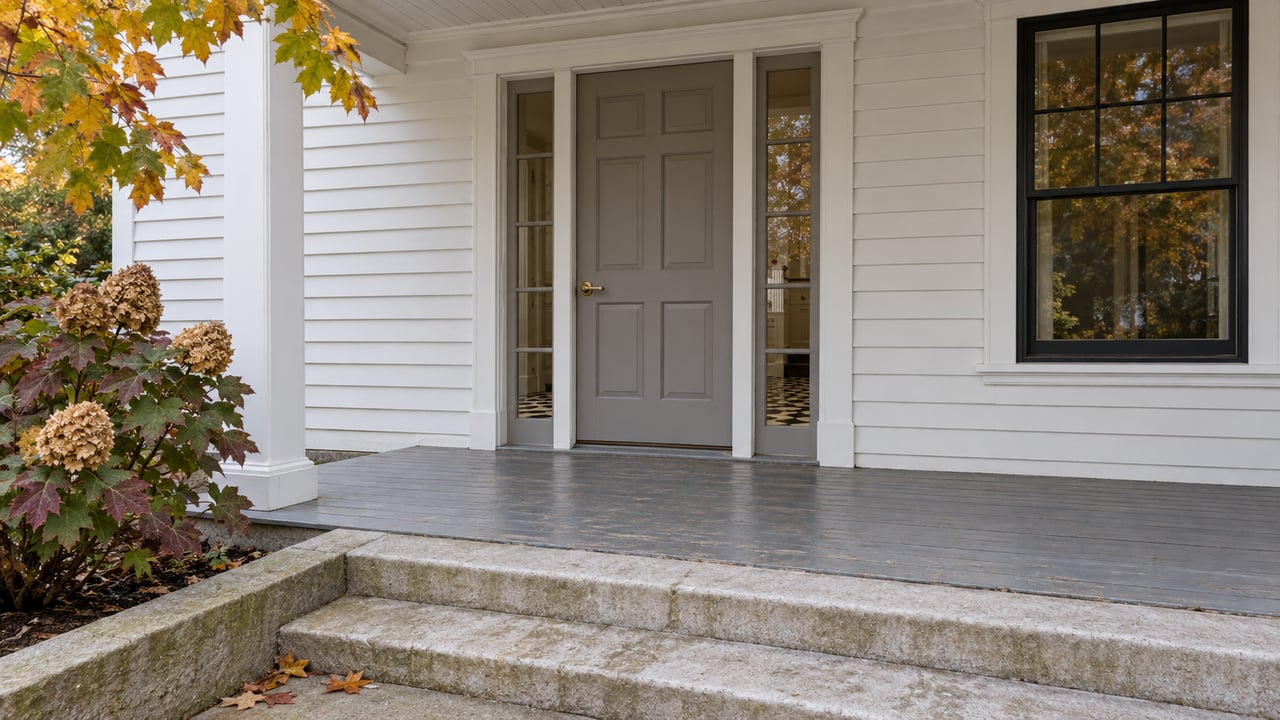
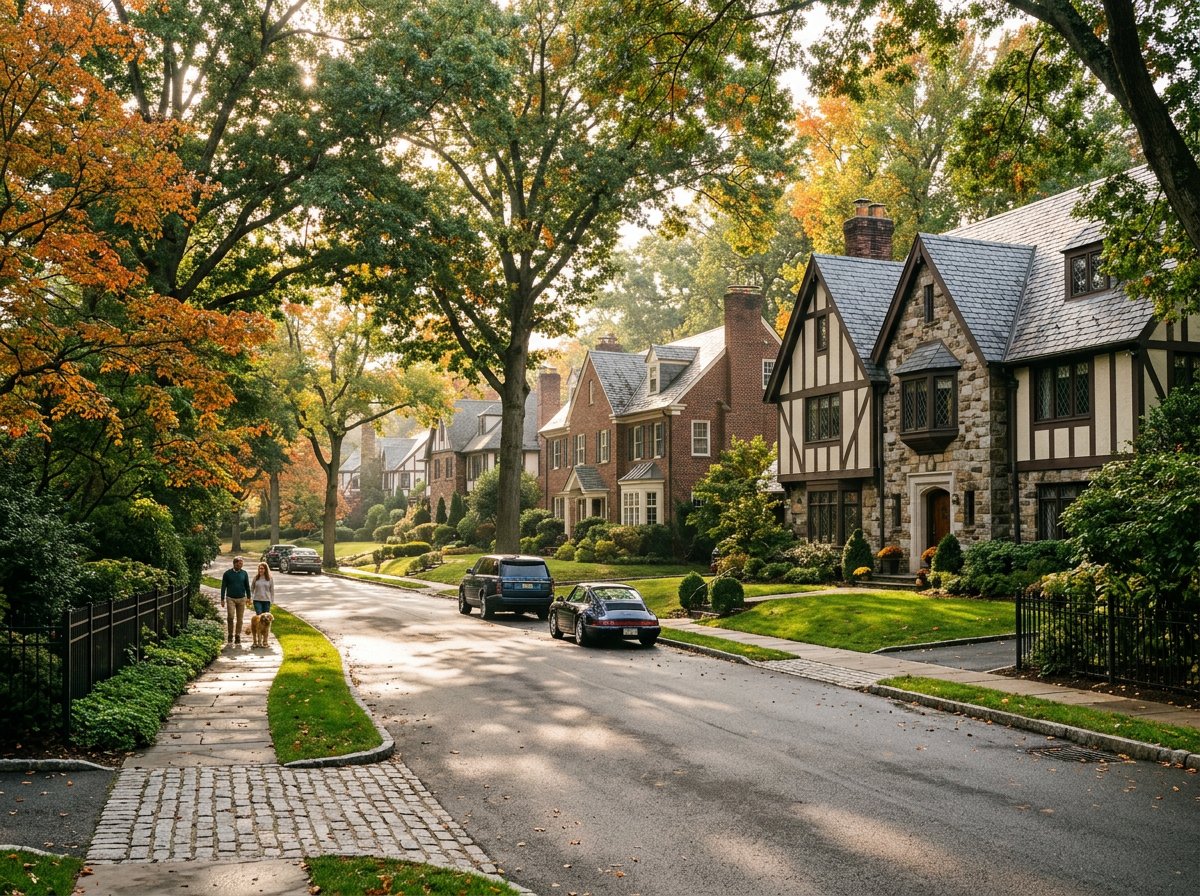
Older homes across Livingston and Essex County often have original millwork, unique floor plans, and mature landscaping. Many sit on established streets with a sense of place. In the right neighborhoods, character and lot quality can command strong interest among buyers who value distinctive details.
Common age-related issues by era
Older homes can come with systems at or near end of life. Expect a thorough inspection for:
- Pre-1950s to mid-century: original plaster, older framing, single-pane windows, outdated electrical like knob-and-tube, older plumbing, and cast-iron sewer laterals.
- Mid-century to 1980s: aging HVAC, water heaters, roofs or siding due for replacement, and compartmentalized layouts.
- Any age: check for water intrusion, chimney and masonry condition, and proper grading.
For safety in older homes, learn about lead-based paint risks in pre-1978 properties at the EPA’s lead page. A qualified home inspector can help you prioritize fixes; find standards and guidance through ASHI.
Renovation scope, costs, and financing
Kitchens and bathrooms often deliver high appeal and resale, but costs vary. Major mechanical upgrades, electrical panels, or sewer replacements can be among the priciest items. Review regional benchmarks in the Remodeling magazine Cost vs. Value Report. If you plan significant updates, ask your lender about renovation-friendly loans such as FHA 203(k) or Fannie Mae HomeStyle. Insurance can also differ by property condition. Older roofs or wiring can increase premiums, so get quotes early.
Energy, comfort, and monthly costs
New builds often start ahead on energy performance due to modern envelopes and equipment. Older homes can be retrofitted with insulation, air sealing, window upgrades, and new HVAC, but the work can be more complex and staged over time. Ask for utility bill history to compare operating costs. In New Jersey, electrification continues to grow as heat pumps improve. Explore incentives and rebates that may help with payback on NJ Clean Energy.
Resale and long-term value
What sells fast in Livingston
Move-up buyers often want turnkey condition, open layouts, and energy-efficient systems. These features can shorten time on market when priced correctly. National research shows strong buyer interest in updated kitchens, efficient homes, and stable neighborhoods. For big-picture trends, see the National Association of Realtors research.
How character homes hold value
Location, lot quality, and well-preserved details can be powerful. Older homes that respect period character while improving systems and functionality tend to perform well. Buyers often accept smaller rooms or unique layouts when the setting and craftsmanship stand out. The key is thoughtful updates and steady maintenance.
Decision checklist for Livingston buyers
- Define must-haves: schools, yard size, commute, layout, and level of “turnkey.”
- Compare energy and comfort: ask for utility history and equipment ages.
- Plan inspections: full home inspection; sewer scope, chimney, and pest checks for older homes.
- For new builds: verify permits, warranties, builder track record, and municipal approvals.
- Gather documents: service records, manuals, and any third-party energy ratings.
- Confirm rules: historic commission reviews, zoning, or HOA requirements that may affect renovations.
Red flags and due diligence
Older homes: focus areas
Look closely at structure and foundation, roof age and flashing, drainage away from the house, mechanicals, electrical capacity and wiring types, and plumbing materials. For pre-1978 homes, understand lead-based paint safety using the EPA’s lead guidance. Choose inspectors who follow recognized standards like ASHI.
New builds: focus areas
Confirm final inspections and certificate of occupancy. Check window and siding flashing, roof transitions, and grading. Verify HVAC commissioning and ventilation. Review insulation installation and gather all warranty documents.
Local risks and permits to confirm
Some Essex County municipalities have historic reviews, design standards, or demolition rules. If a property is within a historic district or has local overlays, you may need approvals before exterior changes. Always verify with the local municipality before you close or start work.
Before you bid, review flood risk using FEMA’s mapping tool at the FEMA Map Service Center. Insurance and renovation plans can change based on flood zone.
System lifespans to plan for
- Roof shingles: often 15 to 30 years depending on material.
- HVAC systems: commonly 15 to 25 years with typical maintenance.
- Water heaters: often 8 to 15 years for tank systems.
- Windows: commonly 20 to 30 years depending on type and exposure.
These ranges help you budget for near-term replacements and compare competing homes.
Bottom line
New construction offers convenience, energy efficiency, and modern spaces. Older and historic homes deliver character, mature settings, and strong long-term appeal in the right locations. Your best choice will align with how you live, what you want to maintain, and how you plan to use your budget.
If you want a trusted local perspective as you compare options in Livingston, Newark, and across Essex County, our team is here to help you weigh trade-offs, structure smart offers, and plan inspections. Connect with Orsini Real Estate & Marketing Group to talk strategy or Request a Free Home Valuation.
FAQs
Are new homes more energy efficient in Livingston?
- Often yes. New construction typically has modern insulation, air sealing, and efficient systems. Ask for any energy ratings and compare equipment specs with resources on ENERGY STAR and Energy Saver.
What inspections are essential for older homes in Essex County?
- A full home inspection plus sewer scope, chimney review, electrical and plumbing checks, and roof and drainage evaluation; for pre-1978 homes, understand lead safety using the EPA’s guidance.
Do historic district rules affect renovations in Newark or nearby towns?
- They can. Some municipalities have historic commissions or design review. Confirm whether the address has special approvals before planning exterior changes.
How should I budget for renovating an older Livingston home?
- Get multiple bids, prioritize high-impact items like kitchens, baths, and systems, and add a contingency for unknowns; benchmark regional project returns with the Cost vs. Value Report.
Will buying in a strong school area help resale?
- School reputation is a common driver of demand in Livingston, as reflected in neutral profiles like Niche; always evaluate your specific neighborhood and home.
Are there incentives for heat pumps or efficiency upgrades in New Jersey?
- Yes, incentives and programs are available and change over time. Review current options and eligibility on NJ Clean Energy.